
Discover why a high-quality digital coaxial cable transforms your audio system. Learn impedance specs, connector quality, and expert tips from Kácsa Audió.
Why Your Audio Setup Deserves a High-Quality Digital Coaxial Cable
When you invest in quality source components, amplifiers, or DACs, the connections between them matter more than many listeners realize. A reliable digital coaxial cable is responsible for transmitting the S/PDIF signal between devices — and any degradation in that signal path, from impedance mismatches to poor shielding, can introduce jitter or noise that affects the final output. Cables that maintain a precise 75-ohm impedance throughout their full length are significantly better at preserving signal integrity than generic alternatives. This difference tends to show up in clarity, soundstage depth, and instrument separation.
Beyond raw specifications, the physical construction of a cable determines how it handles real-world conditions — vibration, interference from nearby power cables, and day-to-day handling. Conductor material plays a major role here: OFC (oxygen-free copper), OCC copper, and silver-plated conductors each have measurably different electrical properties. Connector quality matters just as much, since the contact point between cable and equipment is where signal loss is most likely to occur. Choosing the right cable isn’t about spending more — it’s about matching the cable’s characteristics to your specific system and listening environment.
How Kácsa Audió Delivers Premium Digital Coaxial Cable Solutions Tailored to You
Kácsa Audió operates not just as a retailer, but as a technical resource for audiophiles at every level. Their team handles cable assembly, testing, and consultation — meaning customers work with specialists who understand how individual components interact within a system, rather than simply choosing from a catalog. With brands like AudioQuest, Furutech, LessLoss, and Neotech in their lineup, the range covers everything from well-built entry-level options to high-end configurations designed for demanding listening environments.
One of the more practical aspects of their offer is a home-trial policy: assembled cables can be tested in your own system before committing to a purchase. This removes the guesswork that typically comes with cable selection, where showroom conditions rarely reflect how a cable will perform in your specific setup. Custom cable assembly is also available based on individual requirements — a meaningful option for listeners whose systems have unusual routing needs or specific connector preferences. It’s a model built around long-term satisfaction rather than quick sales.
Key Factors to Consider When Choosing the Right Digital Coaxial Cable for Your System
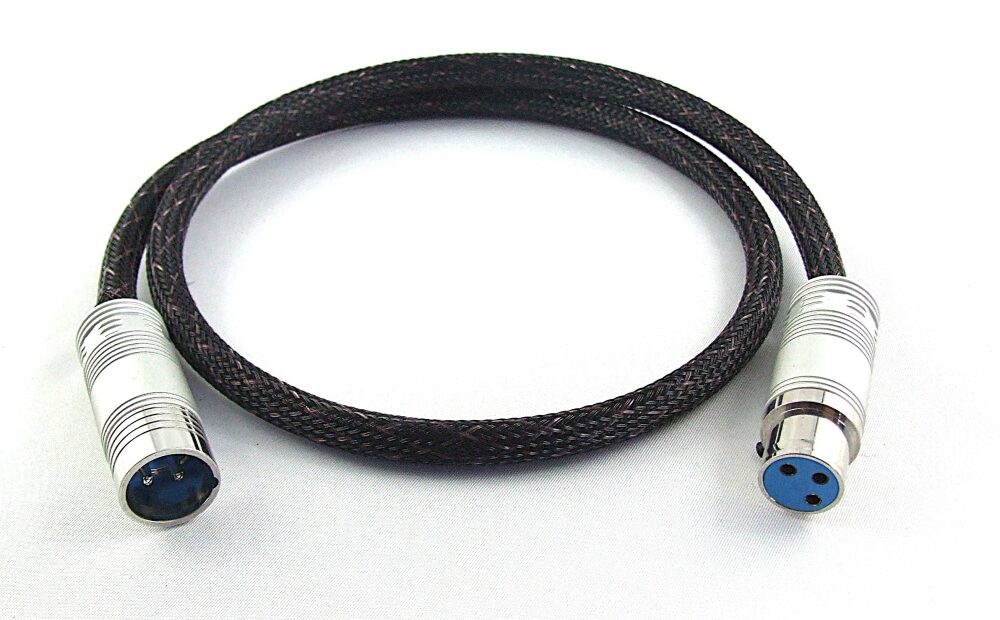
Impedance consistency is the single most critical specification to verify — a 75-ohm characteristic impedance must be maintained across the full length of the cable to prevent signal reflections that cause jitter. Even minor deviations at the connector junction can disrupt the timing accuracy of the digital signal. This is why the quality of the RCA connector — its tolerances, plating, and contact design — carries as much weight as the conductor material itself.
Cable length is another practical factor that audio engineers consistently flag. Longer runs increase the potential for signal degradation, and capacitance per meter becomes more significant the further the signal must travel. Most home audio setups perform well with cables between 0.75 and 1.5 meters, which is why premium options are most commonly available in that range. Shielding design — whether foil, braid, or a combination — determines how effectively the cable rejects interference from nearby components, which is especially relevant in densely packed equipment racks.
The Future of Digital Audio Transmission: Trends Every Audiophile Should Know
As streaming and network-based audio sources have become standard in modern setups, the role of the digital coaxial cable has shifted — but hasn’t diminished. While USB and TOSLINK connections have gained ground, coaxial S/PDIF remains the preferred interface for many high-quality DACs and CD transports because of its lower jitter potential and reliable performance at sample rates up to 192kHz. The format’s continued presence in premium equipment means that cable quality in this category still matters to the listening result.
Materials science is also advancing within the cable manufacturing space. Technologies like LessLoss’s C-MARC conductor design — based on a bucking coil structure that uses counter-polarized pairs to cancel noise — represent a genuinely different engineering approach compared to standard shielded cables. Similarly, graphene-coated conductors are now appearing in audiophile-grade products, offering reduced resistance at high frequencies. These developments suggest that even in a well-established signal format, there is still meaningful progress happening at the component level.