
Discover how cable cookers transform audio quality in days. Learn why enthusiasts use this conditioning service and how Kácsa Audió elevates your hi-fi experience.
What Is a Cable Cooker and Why Audio Enthusiasts Swear By It
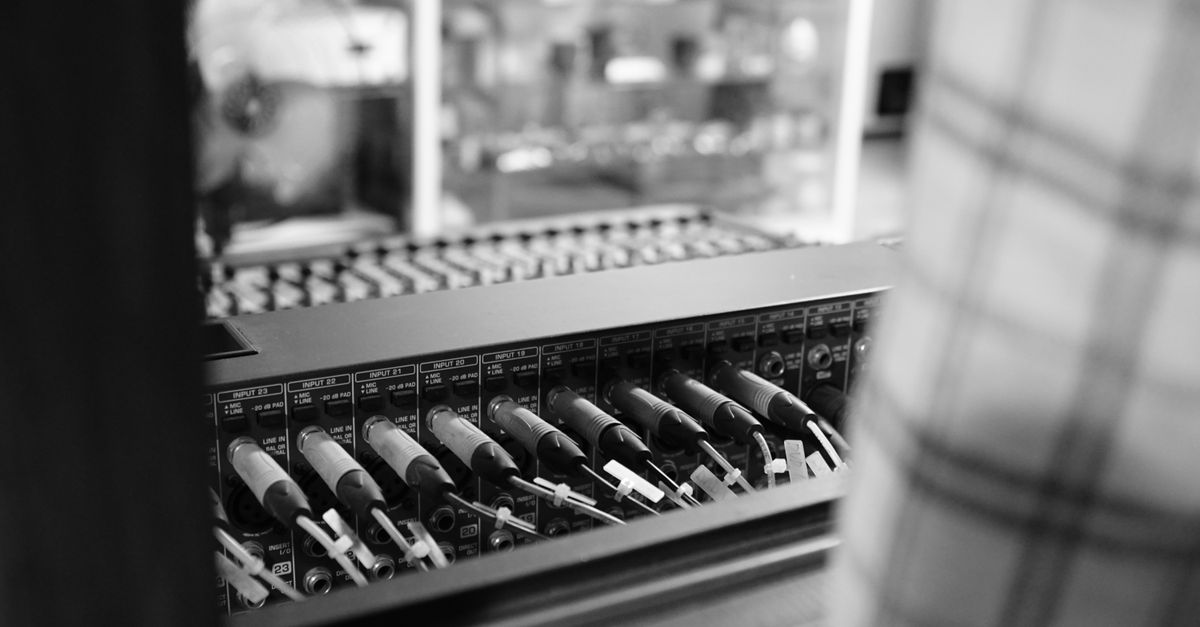
A cable cooker is a specialized device that applies calibrated, wide-bandwidth signals directly through a speaker cable, interconnect, or power cord to speed up the natural conditioning process that otherwise takes hundreds of hours of regular listening. Instead of relying on the modest current that flows during normal music playback, the unit pushes higher voltage and current levels across a broad frequency sweep, working on both the metal conductor and the surrounding dielectric material. Most units accept a wide range of terminations — banana plugs, spades, RCA, XLR, BNC, and IEC connectors — so nearly every cable in a hi-fi chain can be treated. Kácsa Audió offers the Audiodharma cable cooker treatment as an add-on service for speaker cables purchased through its store, fitted with banana plugs or spade connectors.
Enthusiasts return to this process for a simple reason: it saves time and protects gear. A brand-new cable can sound noticeably different after conditioning, with reports of smoother treble, tighter bass, and a more layered soundstage compared to an untreated cable straight out of the box. Running a system for weeks just to break in a cable also means putting unnecessary hours on sensitive components, including tube amplifiers with a finite lifespan. By handling the conditioning separately, listeners get a cable that’s closer to its settled performance from the very first session, without tying up their own equipment for background playback.
How Kácsa Audio Elevates Cable Burn In Service for Every System
Once an order is placed, the team at Kácsa Audió connects the cable to an Audiodharma unit and lets it run for three days before shipping. Your own amplifier and speakers aren’t part of the equation, which means there’s no need to organize extended playback sessions at home just to prepare a new cable. The cable arrives ready for its first real listening session, while the customer spends that time getting the rest of the system ready instead. This approach turns a technical step most buyers would rather skip into something handled quietly in the background.
Beyond the conditioning itself, the company treats cable sales as a service rather than a simple transaction. Assembly, testing, and ongoing feedback from customers all feed into how future orders are handled, which keeps the offering practical rather than purely theoretical. Every assembled cable can also be tested at home, on the buyer’s own system, without any obligation to purchase — a detail that matters when a cable’s performance depends so heavily on the room and equipment it’s paired with. For anyone assembling a custom cable, the same team can help work through length, connector choice, and termination before the burn-in stage even begins.
Cable Cooker Benefits and Features You Should Know Before Buying
The core feature worth understanding is the calibrated signal itself: a sweep across the audible frequency range, combined with higher current levels, is what allows conditioning to happen in days instead of months. This process doesn’t just affect the conductor — it also polarizes and stabilizes the dielectric material wrapped around it, which manufacturers point to as a key part of the audible change. Compatibility with multiple connector types is another practical feature, since it means speaker cables, interconnects, and power cords can all go through the same treatment rather than needing separate equipment for each. Anyone comparing services should ask specifically which connector types are supported and how long a full cycle takes.
From a buyer’s perspective, the main benefit of the cable cooker approach is consistency: a treated cable performs closer to its long-term sound from the first listen, rather than gradually shifting over weeks of casual use. This matters most for listeners who plan critical listening sessions around a new purchase and don’t want that first impression clouded by an unsettled cable. Reconditioning can also be useful after long storage periods or heavy flexing during installation, since both can disturb the dielectric’s settled state. Knowing whether a retailer offers this as a built-in option — rather than something to source separately — is a reasonable factor to weigh before choosing where to buy.
Emerging Audio Market Trends Shaping the Future of Cable Burn In
Premium retailers increasingly treat pre-conditioning as part of a plug-and-play purchase experience, sending cables that are already through their initial break-in rather than leaving that step to the customer. This shift reduces the gap between unboxing a new cable and hearing it perform close to its settled character, which matters to buyers who don’t want to wait out a lengthy adjustment period. As more listeners chase incremental improvements across their systems, demand for services that fine-tune individual components — cables included — continues to grow. Retailers who fold this into the buying process rather than offering it as an afterthought tend to stand out in a market where small details carry real weight.
The debate around why conditioning works remains active, with some engineers attributing perceived changes to listener adaptation and expectation, while cable manufacturers and experienced audiophiles point to measurable shifts in dielectric behavior and contact settling. That disagreement hasn’t slowed adoption of cable cooker service among retailers who see consistent customer interest regardless of the underlying explanation. As system components become more resolving and listeners grow more attentive to subtle differences, the pressure on every link in the signal chain — cables included — is likely to keep this kind of conditioning relevant. Whether framed as a technical necessity or a finishing touch, it’s becoming a standard question buyers ask before finalizing a cable purchase.