
Discover why XLR connectors are the gold standard in professional audio. Learn about balanced transmission, quality materials, and find the perfect connector for your setup.
Why the XLR Connector Is the Gold Standard in Professional Audio
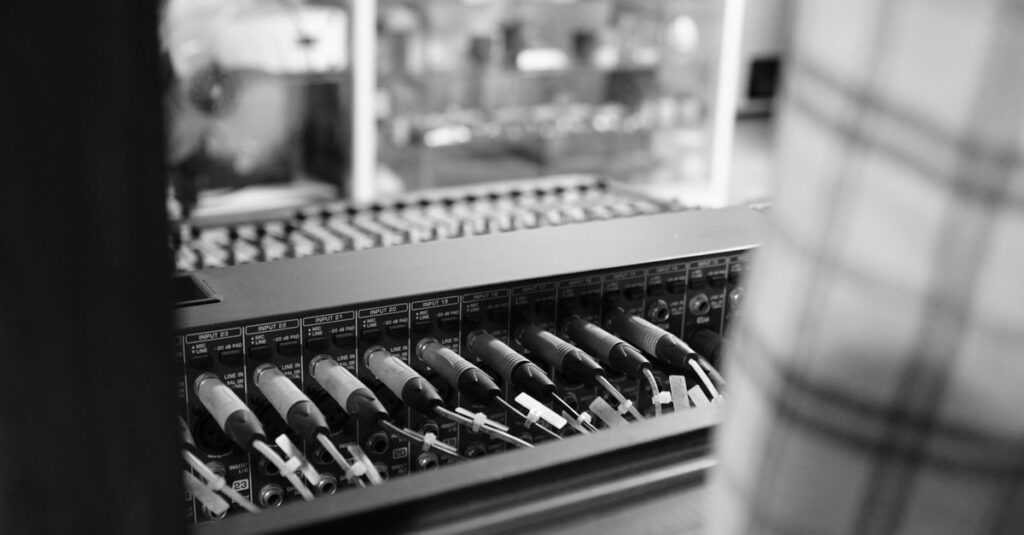
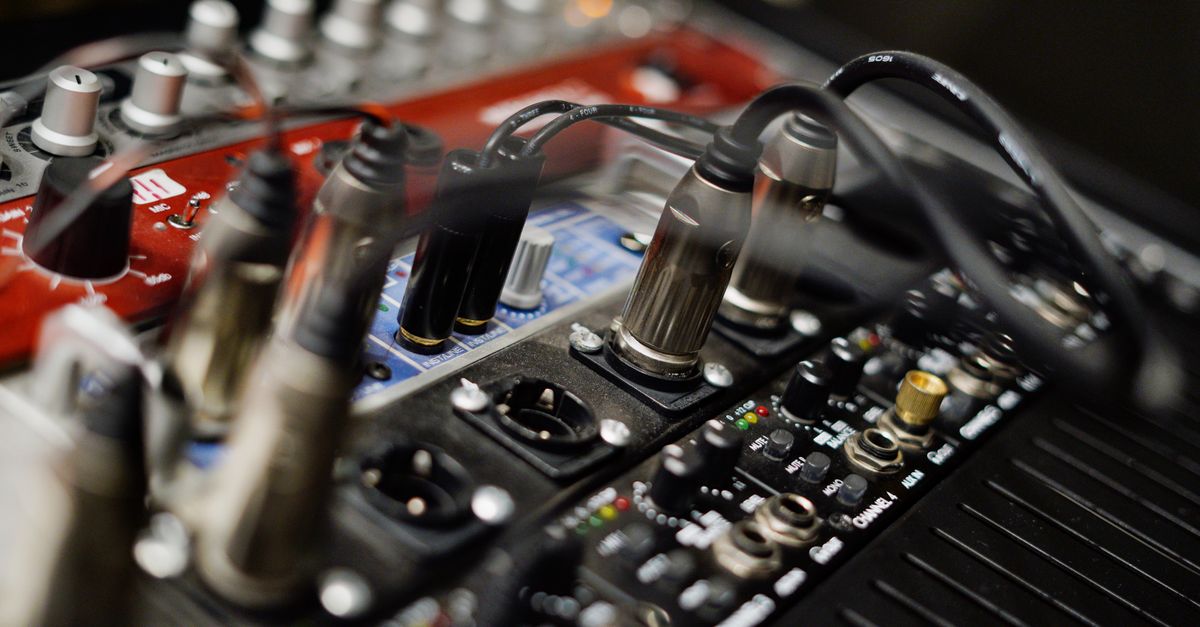
The three-pin balanced XLR connector available at Kácsa Audió has been the backbone of professional audio, video, and lighting systems for decades. Its design — using one ground pin alongside positive and negative phase conductors — enables the signal path to cancel out electromagnetic interference picked up along the cable. This principle, known as balanced audio transmission, preserves signal integrity even across long cable runs that would compromise unbalanced connections.
Beyond noise rejection, the XLR format features a spring-loaded locking mechanism that physically secures the connection. In live concert environments or dynamic stage settings, where cables are subjected to frequent movement and stress, this locking system is not a luxury but a necessity. It is precisely this combination of electrical performance and mechanical reliability that has made the format the default choice for microphones, mixing consoles, amplifiers, and broadcast equipment worldwide.
How Kácsa Audió Delivers Outstanding Quality in Every XLR Cable
Kácsa Audió operates with a clear philosophy: the job does not end at selling a connector. The team provides guidance, hands-on assembly in their own workshop, and thorough testing before any cable reaches the customer. One particularly customer-friendly policy is the option to test assembled cables at home, in your own audio system, without any purchase obligation — a level of confidence that few retailers are willing to offer.
The product range reflects this commitment to quality. Kácsa Audió distributes connectors from Furutech, Neotech, aeco, AudioQuest, and their own KáCsa brand, covering entry-level professional builds through to high-end audiophile configurations. Whether you need a 24K gold-plated plug for studio use or a rhodium-plated beryllium copper connector for a demanding hi-fi reference system, the selection is both broad and carefully curated.
Advantages of Balanced Audio XLR Connectors: What to Look for Before You Buy
When choosing a connector, contact material is one of the most consequential decisions. Gold plating offers excellent corrosion resistance and reliable long-term conductivity, while silver plating delivers marginally lower contact resistance and is favored by audiophiles who prioritize signal transparency. Rhodium, used in premium Furutech and Neotech products, provides outstanding durability and oxidation resistance — a practical advantage in high-traffic studio environments.
Housing construction also matters significantly. Metal shells — such as the anodized aluminum used in KáCsa’s MC-942G or the carbon fiber housing of the Furutech CF-601R — offer better shielding and mechanical protection than plastic alternatives. Conductor material is equally worth examining: tellurium copper, used in aeco connectors, delivers superior electrical conductivity, while Neotech’s UP-OCC copper minimizes grain boundaries in the conductor, which audiophiles associate with improved signal resolution.
XLR Connector Market Trends and User Needs Shaping the Future of Audio
Demand for balanced audio connections continues to grow beyond traditional studio and broadcast applications. Home studio builders, podcast producers, and audiophile enthusiasts increasingly recognize that the XLR connector format provides noise immunity that unbalanced alternatives — including TRS jack connections — simply cannot match at equivalent cable lengths. As home listening environments become more sophisticated, connectors once reserved for professional use are finding a genuine place in domestic hi-fi systems.
Alongside standard three-pin formats, the market now supports four-pin variants, mini XLR plugs for compact devices, and PCB-mount options for custom electronics builds. Manufacturers are also pushing material boundaries: the combination of fluoropolymer insulation, non-magnetic housings, and precision conductor alloys reflects a broader understanding that every component in the signal chain contributes to the final result. For both professionals and informed enthusiasts, the connector is no longer an afterthought — it is an active part of the audio system.